
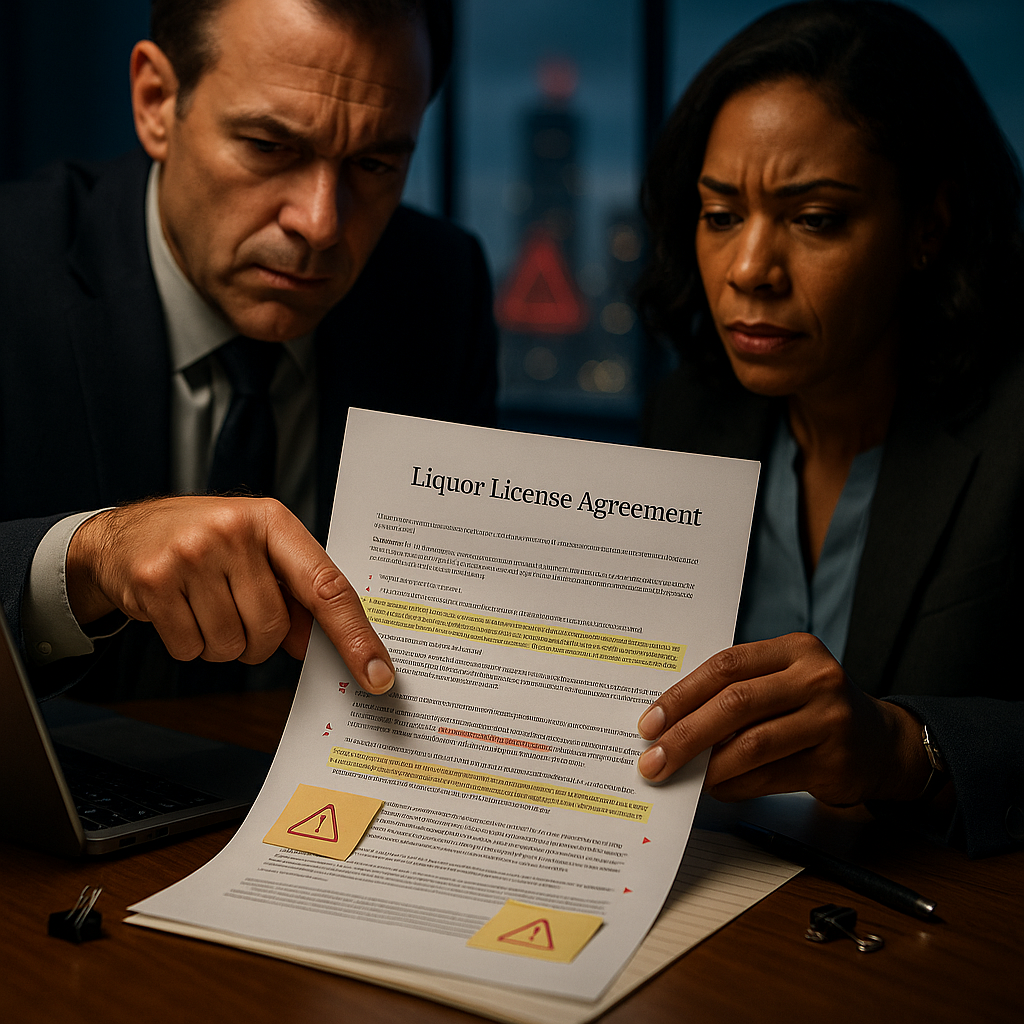
Liquor license negotiations can go sideways when pricing and terms do not reflect local realities. Markets in Pennsylvania and New Jersey are shaped by quota limits, municipal calendars, and demand from convenience and grocery channels. A smart negotiation plan protects timing, budget, and approvals.
Many deals fail because the parties use the wrong comps, draft vague contingencies, or ignore lien and tax checks until the last minute. These missteps create friction with lenders, landlords, and agencies. The result is avoidable delays and added cost.
This guide shows the traps to avoid and the terms that keep deals moving. You will learn how to align escrow and deposits with real milestones, how to structure remedies, and how to run diligence that prevents surprises. Bring this checklist to your attorney and your lender before you sign.
The most common liquor license negotiation pitfalls are mispricing in a quota market, weak diligence on tax clearances and liens, unrealistic timelines tied to municipal calendars, and vague contract terms. Avoid these with county or municipal comps, early checks, clear milestones, and escrow structures that match approvals.
Pricing traps
- Reading the wrong comps: County level in PA, municipal level in NJ
- Ignoring new demand: Convenience and grocery impact pricing
- Anchoring on hearsay: Validate with recent closed deals, not folklore
Term traps that create risk
- No milestone dates: Tie deposits and deliverables to real steps
- Vague contingency language: Spell out approvals, inspections, and conditions
- Unclear default remedies: Define cure periods and what happens to escrow
- Missing lien and tax language: Require clearances and payoff mechanics
Diligence that prevents surprises
- Lien search and tax status checks
- Prior citation history and any conditions on the license
- Premises suitability, plan review, and alteration approvals if moving
- Public notice schedule and posting affidavits
Structures that align incentives
- Deposits that release on real milestones
- Escrow instructions matched to approval events
- Seller deliverables that include clearances and document lists
- Buyer deliverables for funding readiness and site control
Negotiation checklist
- Current comps and a written timeline
- Defined transfer type and jurisdiction steps
- Draft APA or LOI with specific contingencies
- Named calendar owners for posting, publication, and filings
- Funding staged to milestones